If you've recently purchased a property, are letting out your home, or simply want to ensure your family's safety, you've probably come across the term "EICR certificate". But what exactly is an EICR, and why does it matter?
What Is an EICR?
An EICR (Electrical Installation Condition Report) is a comprehensive inspection of your property's electrical systems. Think of it as an MOT for your electrics. A qualified electrician examines the wiring, consumer unit (fusebox), sockets, switches, and fixed electrical installations to ensure everything meets current safety standards.
The inspection identifies any potential hazards, deterioration, or defects that could put you or your family at risk. It's not about nitpicking minor cosmetic issues, it's about ensuring your electrical installation is safe and fit for purpose.
Who Needs an EICR?
Whilst EICRs are legally required for landlords every five years (or at change of tenancy), homeowners benefit enormously from regular inspections too. Here's why you should consider one:
You've just bought a property: Previous owners may have carried out DIY work or used unqualified contractors. An EICR gives you peace of mind about what you've actually purchased.
Your property is over 25 years old: Electrical installations deteriorate over time. Wiring insulation breaks down, connections loosen, and standards change. What was acceptable decades ago may not be safe today.
You're planning major renovations: Before you start knocking down walls or extending your home, it's wise to understand the current state of your electrics.
You've noticed warning signs: Flickering lights, burning smells, frequent tripping, or scorch marks around sockets are all red flags that warrant immediate inspection.
What Happens During an EICR?
The inspection is thorough and non-invasive. You won't need to redecorate afterwards, but the electrician will need access to all areas of your property. Here's what the process involves:
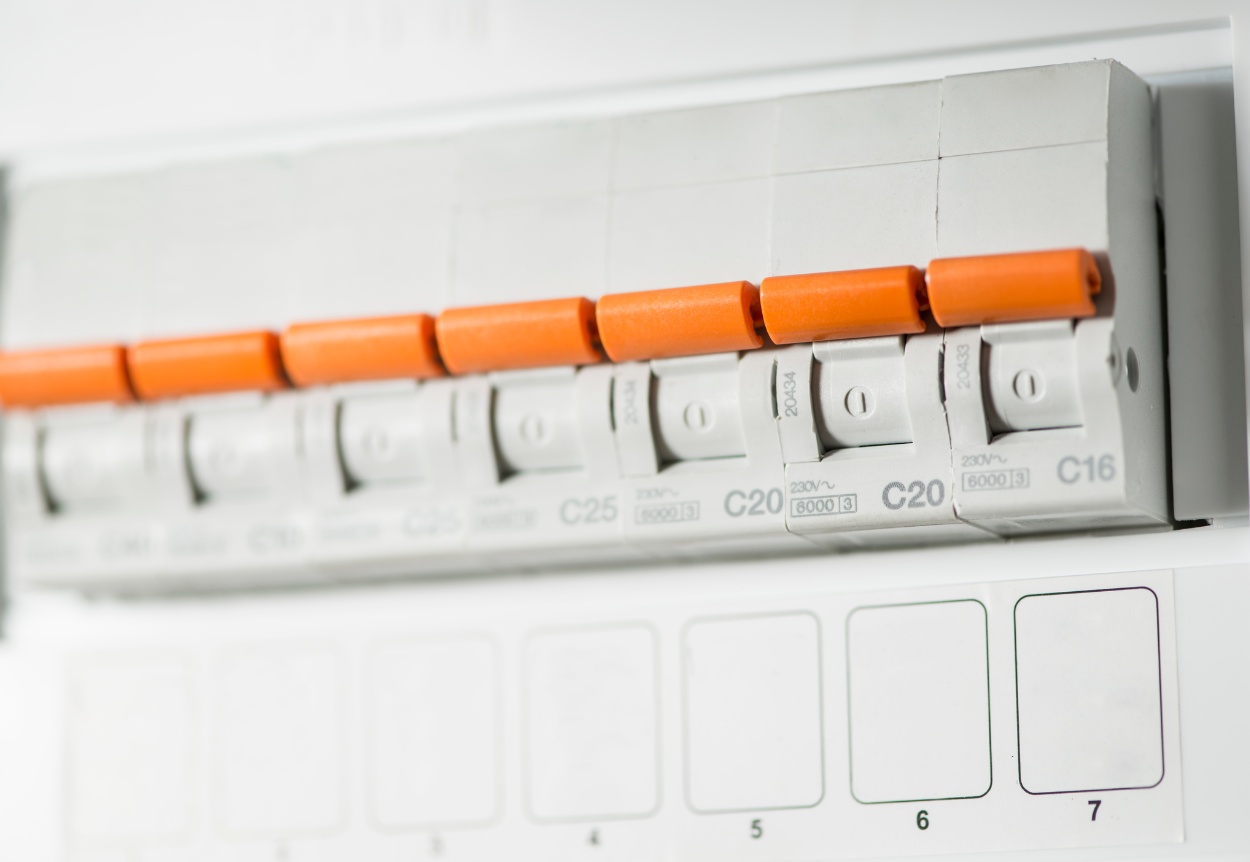
The electrician will examine your consumer unit, checking that protective devices like RCDs (residual current devices) and MCBs (miniature circuit breakers) are working correctly. They'll test socket outlets, light fittings, and fixed appliances. They'll also inspect any wiring they can access without causing damage.
Various tests are carried out, including earth continuity, insulation resistance, and polarity checks. These aren't just box-ticking exercises, they reveal hidden issues that aren't visible to the naked eye.
The inspection typically takes between 2-4 hours for an average home, depending on size and complexity.
Understanding Your EICR Results
Once complete, you'll receive a detailed report with one of the following outcomes:
Satisfactory: Your electrical installation meets current standards and is safe to use. The report will recommend when the next inspection is due, typically within 5-10 years for domestic properties.
Unsatisfactory: Issues have been identified that require attention. Don't panic, this doesn't necessarily mean your home is dangerous, but it does mean remedial work is needed.
The report categorises any defects using codes:
C1 (Danger present): Immediate action required. There's a risk of injury, and the installation shouldn't be used until the issue is resolved.
C2 (Potentially dangerous): Urgent remedial action required. Whilst not immediately dangerous, these defects could become hazardous and need addressing promptly.
C3 (Improvement recommended): These don't pose immediate danger but represent areas where the installation doesn't meet current best practice. They're worth addressing during your next upgrade.
FI (Further investigation required): Something needs a closer look before the electrician can determine whether it's a problem.
Common Issues Found During EICRs
In our experience working across Cambridgeshire, particularly in properties around Cambridge, we regularly encounter several recurring issues:
Old-style consumer units without adequate protection are extremely common in properties from the 1980s and 1990s. Modern standards require RCD protection for most circuits, which many older installations lack.
Lack of earthing or bonding is another frequent discovery. Proper earthing is essential for safety, particularly in bathrooms and kitchens where water is present.
DIY modifications often reveal themselves during inspections. Well-intentioned homeowners sometimes add sockets or lighting without proper knowledge, creating hidden hazards.
Deteriorated wiring insulation becomes brittle over time, particularly in older properties. This is especially concerning in areas with high temperatures, like airing cupboards or near boilers.
What Happens If Issues Are Found?
If your EICR identifies problems, you'll receive clear recommendations about what needs addressing and how urgently. You're under no obligation to use the electrician who carried out the inspection for remedial work, though they'll already understand your installation.
For C1 and C2 issues, it's worth prioritising repairs. Not only is it about safety, but these defects can affect property insurance and will certainly impact any future sale.
C3 observations can often wait until you're planning other electrical work, though addressing them prevents future problems and ensures your installation meets best practice.
How Much Does an EICR Cost?
Prices vary depending on property size and complexity, but expect to pay between £150-400 for a typical domestic property. Whilst this might seem like an expense, consider what you're getting: a comprehensive safety check by a qualified professional, detailed documentation of your electrical installation's condition, and most importantly, peace of mind that your family is safe.
Compare this to the potential cost of electrical fires, which cause thousands of house fires in the UK each year, and the value becomes clear.
Choosing the Right Electrician
Not all electricians are qualified to carry out EICRs. You need someone with the correct qualifications and experience. Look for:
Proper qualifications: The electrician should hold the City & Guilds 2391 qualification (or equivalent) specifically for inspection and testing.
Registration with a competent person scheme: Bodies like NAPIT, NICEIC, or ELECSA ensure electricians meet required standards and provide insurance-backed guarantees.
Comprehensive insurance: This protects both you and the electrician in the unlikely event something goes wrong.
Detailed reporting: A proper EICR should be thorough and clear, not a hastily completed checklist. Ask to see a sample report if you're unsure.
How Often Should You Have an EICR?
For homeowners, we recommend an EICR every 10 years as a minimum. However, you should consider more frequent inspections if:
- Your property is older (pre-1990s installations should be checked every 5 years)
- You've had significant electrical work done by unknown contractors
- You're experiencing any electrical issues
- You're planning to sell or let your property
Landlords must have an EICR carried out every five years by law, with the certificate provided to tenants.
The Bottom Line
An EICR isn't just another piece of paperwork, it's a vital safety check that protects what matters most. Electrical installations don't last forever, and hidden problems can develop without any obvious warning signs.
Whether you're a homeowner wanting peace of mind, a landlord meeting legal obligations, or someone who's noticed something doesn't seem quite right, an EICR provides clear, professional assessment of your property's electrical safety.
The electrical installation in your home works hard every single day, powering everything from your morning coffee to your family's safety systems. Making sure it's in good condition isn't just sensible, it's essential.
If your property hasn't had an EICR in the last decade, or you've never had one carried out, it's worth considering. After all, you wouldn't drive a car without an MOT, why treat your home's electrical system any differently?
All our electrical inspections are carried out by qualified engineers holding the City & Guilds 2391-52 qualification in inspection and testing. We're NAPIT registered and fully insured, serving homeowners across Cambridge and the surrounding area.
.svg)