Consumer Unit Upgrades Explained
Discover why upgrading your consumer unit matters, signs it needs replacing, and what modern fuseboxes offer for safety.
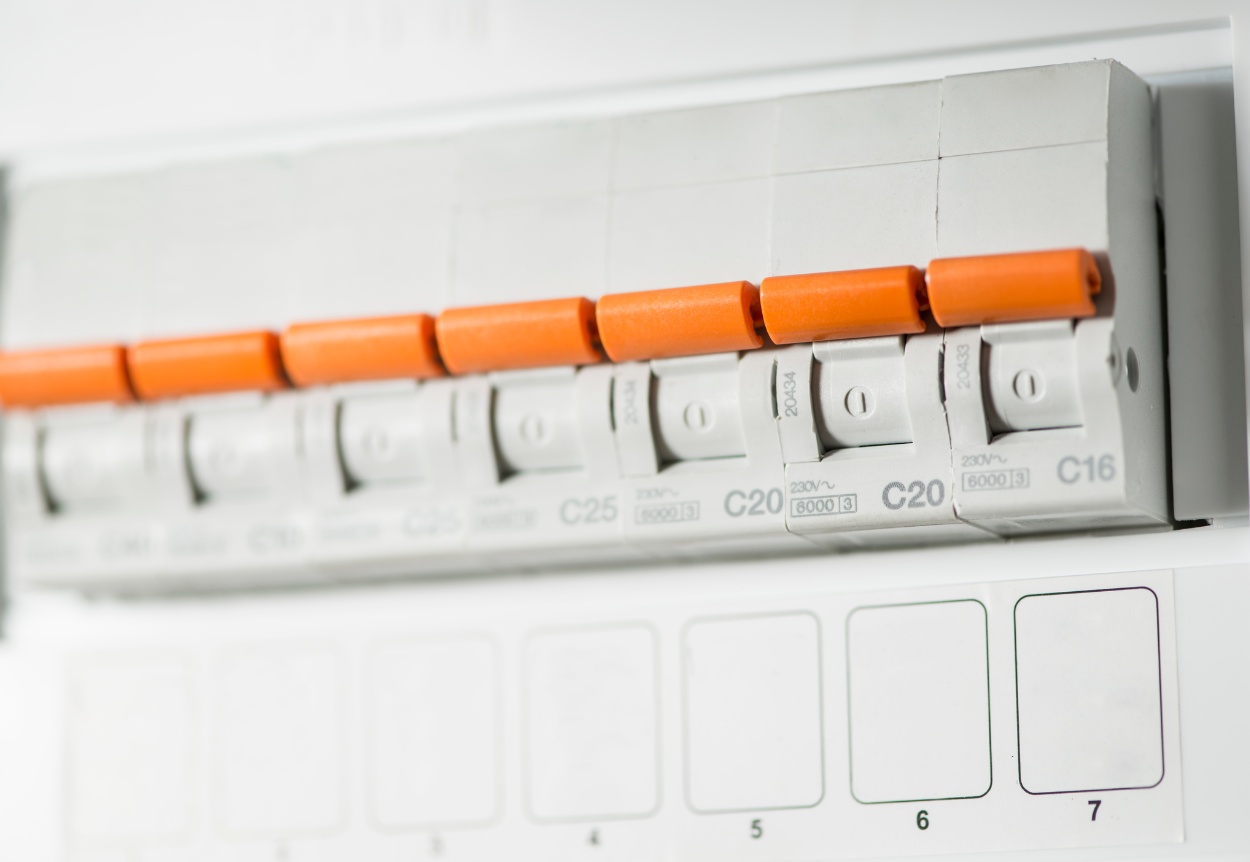
That grey metal box in your hallway, under the stairs, or tucked away in a cupboard might not look particularly interesting, but it's one of the most important safety features in your home. Your consumer unit, often called a fusebox, is the heart of your electrical system, and if it's more than a few decades old, it might not be doing its job properly.
What Is a Consumer Unit?
A consumer unit is the central distribution point for your home's electrical circuits. When electricity enters your property from the main supply, it flows through the consumer unit, which splits it into separate circuits for lighting, sockets, cookers, and other fixed installations.
More importantly, the consumer unit houses protective devices that detect faults and cut the power before anyone gets hurt or a fire starts. Think of it as the guardian of your electrical system, constantly monitoring for problems and acting in milliseconds when something goes wrong.
Why Older Fuseboxes Are Problematic
If your property was built or rewired before the early 2000s, there's a good chance your consumer unit doesn't meet modern safety standards. Here's why that matters:
Lack of RCD protection is the biggest issue with older installations. RCD stands for Residual Current Device, and it's designed to save lives. If you accidentally drill through a cable, touch a live wire, or a fault develops, an RCD cuts the power in 0.04 seconds, faster than a fatal electric shock can occur.
Old-style fuseboxes with rewirable fuses or basic MCBs (miniature circuit breakers) don't offer this protection. They'll stop your circuits from overloading, but they won't protect you from electric shock.
Wooden backboards were common in installations from the mid-20th century. Wood is flammable, which rather defeats the purpose when you're trying to prevent electrical fires. Modern consumer units use non-combustible materials as standard.
Insufficient capacity becomes an issue as we use more electrical devices than ever before. A consumer unit from the 1970s or 1980s wasn't designed for modern life, with electric vehicle chargers, multiple computers, smart home systems, and high-powered kitchen appliances all demanding power simultaneously.
Deterioration over time affects all electrical equipment. Connections loosen, components wear out, and protective devices become less reliable. A consumer unit that's been working hard for 30 or 40 years has earned its retirement.
Signs Your Consumer Unit Needs Upgrading
Not sure whether your fusebox is up to scratch? Here are the telltale signs it's time for an upgrade:
You have an old-style fusebox with rewirable fuses: If you've ever replaced a fuse wire or know where the fuse wire is kept, your consumer unit is seriously outdated. These offer minimal protection compared to modern standards.
No RCD protection: If there are no switches marked "RCD" or "Test" buttons on your consumer unit, you're missing crucial safety protection. Even some MCB boards from the 1990s lack adequate RCD coverage.
Wooden backboard or metal casing without adequate labelling: Older installations often had metal boxes with bakelite switches or were mounted on wood. Both indicate the unit predates modern safety requirements.
Circuit breakers trip frequently: Whilst occasional tripping can indicate appliance faults, frequent tripping suggests your consumer unit is struggling to cope with demand or components are wearing out.
Scorch marks, burning smells, or buzzing sounds: These are serious warning signs. If you notice any of these, contact a qualified electrician immediately and avoid using the affected circuits.
You're planning major electrical work: Installing an EV charger, adding a new circuit, or significantly increasing electrical load often requires a consumer unit upgrade to handle the additional demand safely.
Your home insurance requires it: Some insurers now require evidence of modern electrical installations, particularly for older properties or landlord policies.
What Does a Modern Consumer Unit Offer?
Upgrading your consumer unit brings your electrical installation up to current safety standards. Here's what modern protection includes:
Dual RCD or RCBO protection: Current regulations require RCD protection for most circuits. Modern consumer units typically use either dual RCDs (splitting circuits between two protective devices) or individual RCBOs (combined RCD and MCB for each circuit).
RCBOs are generally preferable because if one circuit develops a fault, only that circuit trips rather than half your house losing power. This is particularly important if you have a freezer or security system that needs constant power.
AFDDs for specific circuits: Arc Fault Detection Devices are now required for certain new installations. These clever devices detect dangerous electrical arcs that normal protection might miss, preventing fires before they start.
Surge protection: The latest regulations encourage surge protection devices (SPDs) in consumer units to protect sensitive electronics from power surges caused by lightning strikes or grid switching.
Non-combustible construction: Modern consumer units use fire-resistant materials, and since 2016, they must be made from non-combustible materials or enclosed in non-combustible boxes.
Proper circuit separation and labelling: Clear labelling means you know exactly which circuit you're isolating, and proper separation prevents fault currents affecting multiple circuits.
Capacity for future expansion: A well-designed modern consumer unit includes spare ways (spaces) for additional circuits, making future upgrades straightforward without replacing the entire unit again.
The Upgrade Process: What to Expect
Many homeowners worry that upgrading their consumer unit will be disruptive. Whilst there's always some impact when working on electrical systems, a professional installation is surprisingly straightforward.
Initial assessment: Before any work begins, a qualified electrician will inspect your existing installation, test your circuits, and confirm what's required. This might reveal other issues that need addressing, but there's no obligation to proceed if you're not comfortable with the scope of work.
The installation: On the day, expect your power to be off for several hours, typically 4-6 hours for a straightforward replacement in an average home. You'll need to plan accordingly, perhaps schedule it when you're out, or ensure you have alternative arrangements for anything requiring power.
Testing and certification: Once installed, every circuit must be thoroughly tested to ensure it's safe and compliant. You'll receive certification documenting the work, which is important for building control, insurance, and future property sales.
Minimal disruption: The work is contained to the consumer unit area. You won't need redecorating unless the old unit was significantly larger or positioned differently, which is rare.
Understanding the Regulations
The 18th Edition of the BS7671 Wiring Regulations (with Amendment 2) sets out current requirements for electrical installations. These regulations aren't arbitrary rules, they're developed based on decades of experience and accident data to protect people and property.
Key requirements include RCD protection for socket outlets, RCD protection for circuits in bathrooms, and RCD protection for cables buried in walls at less than 50mm depth. Most circuits in a typical home now require RCD protection.
Whilst regulations don't generally require you to upgrade existing installations simply because standards have changed, it's strongly recommended. If you're having any electrical work done, the electrician must bring affected circuits up to current standards where reasonably practicable.
What About Cost?
A consumer unit upgrade typically costs between £400-800 for a standard domestic installation, depending on property size, the number of circuits, and the level of protection you choose.
This includes the new consumer unit, protective devices (RCDs, MCBs, or RCBOs), installation labour, testing, and certification. RCBO consumer units cost more than dual RCD boards, but they offer better protection and convenience.
Additional costs might arise if remedial work is needed on existing circuits, for example, if circuits don't have adequate earthing or if cables are damaged. A thorough assessment beforehand helps avoid surprises.
Choosing Between RCD and RCBO Protection
When upgrading, you'll typically choose between two main configurations:
Dual RCD boards are more economical. Your circuits are split between two RCDs, so if a fault occurs on one circuit, half your installation trips. This can be inconvenient, particularly if your freezer and security system are on different RCDs.
RCBO boards cost more initially but offer individual protection for each circuit. If your kitchen socket circuit develops a fault, only that circuit trips. Everything else, lights, other sockets, heating, continues working normally. For most homes, this extra convenience and protection is worth the additional cost.
Your electrician can advise which configuration suits your property and budget, considering factors like circuit layout, critical loads, and future plans.
Common Concerns About Upgrading
"Will my old circuits be compatible?" In most cases, yes. Whilst the consumer unit is new, it connects to your existing wiring. However, the electrician will test all circuits, and occasionally older wiring needs attention before the new unit can be safely installed.
"Do I need to rewire my whole house?" Not usually. A consumer unit upgrade can often be done independently of a full rewire, though if testing reveals significant issues with your wiring, you might want to address those problems at the same time.
"What if I'm planning other electrical work?" Perfect timing. If you're adding an EV charger, installing solar panels, or planning a kitchen renovation, upgrading the consumer unit first ensures your installation can handle the additional load safely.
"Can I use my old consumer unit temporarily?" If your consumer unit has serious defects, continuing to use it puts you at risk. However, if it's simply outdated rather than dangerous, you can choose when to upgrade. Just don't delay indefinitely, electrical safety isn't something to compromise on.
The Insurance Perspective
Increasingly, insurance companies are asking questions about electrical installations, particularly for older properties. Some insurers require evidence that your electrics have been inspected and are safe, whilst others may increase premiums or refuse cover if your installation is significantly outdated.
A modern consumer unit, properly installed and certified, demonstrates you've taken reasonable steps to maintain your property safely. If you ever need to make a claim related to electrical issues, having up-to-date protection and certification is invaluable.
Beyond the Consumer Unit
Upgrading your consumer unit is often the first step in improving your electrical installation, but it's worth considering the bigger picture:
If your consumer unit needs upgrading, your wiring might be of similar vintage. An EICR (Electrical Installation Condition Report) provides a comprehensive assessment of your entire electrical system, identifying any other issues that need attention.
Planning for future needs makes sense too. If you're likely to install an EV charger, solar panels, or a heat pump in the coming years, discussing this during the consumer unit upgrade ensures the new installation can accommodate these additions without further modification.
Making the Decision
Your consumer unit might be hidden away and easily forgotten, but it's working every single day to protect your home and family. If yours predates modern safety standards, upgrading isn't just about compliance, it's about fundamentally improving your electrical safety.
Consider the peace of mind that comes with knowing your electrical protection meets current standards. RCD protection can prevent fatal electric shocks, arc fault detection can stop fires before they start, and proper circuit protection prevents damage to appliances and wiring.
The electrical system in your home has changed dramatically since older fuseboxes were installed. We use more power, we have more devices, and we expect higher standards of safety. Your consumer unit should reflect these modern demands.
If you're unsure about your current installation, a professional assessment can provide clarity. Understanding what you have and what improvements would benefit your property helps you make informed decisions about your home's electrical safety.
We carry out consumer unit upgrades throughout Cambridge and surrounding areas, using quality components and ensuring full compliance with current regulations. All work is certified and backed by comprehensive insurance.
.svg)